Spicy AI chatbot leak: millions of user photos exposed — ai chatbot leak
Explainer on the ai chatbot leak that left ~2 million images exposed, why exposed photos matter for privacy in India, and clear steps Indians should take now.

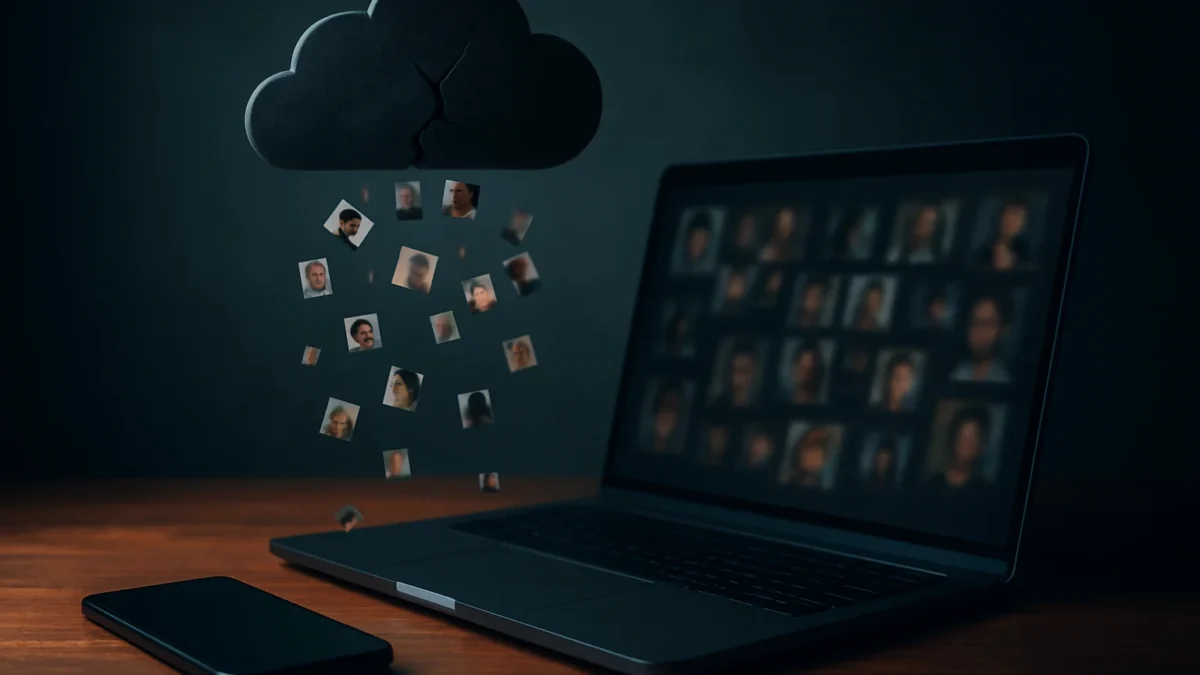
A misconfigured erotic AI chatbot and image-generator (reported as SecretDesires / “Spicy”) left nearly two million images and videos publicly accessible in cloud storage. Exposed files included real social-media photos, face-swap deepfakes and personal details — a serious privacy risk. Indians should check accounts, delete sensitive uploads, change passwords, enable MFA and monitor for misuse.
Key takeaways
- A November 2025 report found nearly 2 million images/videos on a ‘spicy’ AI service were publicly exposed.
- Exposed content mixed real photos and AI-generated sexual images, raising risks of image-based abuse and blackmail.
- If you used similar AI tools in India: check uploads, remove files, tighten accounts and monitor social media and job records.
- Report illegal images to platform hotlines, preserve evidence, and consider legal help if you face extortion or threats.
In this article
What happened?
Journalists reported that an erotic AI chatbot and image-generator service — widely described in coverage as a “spicy” app (reported names include SecretDesires / Secret Desires AI) — had cloud storage buckets misconfigured so files were publicly accessible. The exposed set reportedly included almost two million images and videos: user-uploaded photos, face-swap inputs, and AI-generated sexual content using real people’s faces. The storage was closed after reporters flagged the issue. These findings come from investigative reporting and incident databases, not from a government disclosure by the company. ([404media.co](https://www.404media.co/tag/deepfakes/?utm_source=openai))
Key details
| Fact | What we know |
|---|---|
| Date of reporting | Investigations published in November 2025 (reported and summarised in incident trackers thereafter). ([404media.co](https://www.404media.co/tag/deepfakes/?utm_source=openai)) |
| Scale | Nearly two million images/videos reportedly exposed (investigative estimates). ([404media.co](https://www.404media.co/tag/deepfakes/?utm_source=openai)) |
| Content | Mix of real photos (social media, workplace, yearbook) and AI-generated sexual deepfakes / face-swaps. ([404media.co](https://www.404media.co/tag/deepfakes/?utm_source=openai)) |
| How exposed | Misconfigured cloud storage buckets (public access), not a published torrent or malware breach in reporting. ([techradar.com](https://www.techradar.com/pro/security/top-android-ai-photo-and-video-editor-exposes-nearly-two-million-user-images-and-videos?utm_source=openai)) |
| Confirmed by | Journalistic investigations (404 Media coverage cited in incident databases) and later security reporting; no official company long-form public report found in those sources. ([404media.co](https://www.404media.co/tag/deepfakes/?utm_source=openai)) |
Also read: 10 ChatGPT Prompts for AI Christmas Photos with Indian Themes
What changes for you
Why exposed real or face-swapped photos matter: once a realistic image of a person exists, it can be copied, reposted, edited, and reused to harass, shame or blackmail. In India this raises extra concerns — image-based sexual abuse (IBSA) and workplace harassment can follow quickly if intimate or identifying photos leak. Even non-explicit photos (office ID, yearbook) can be used to create convincing deepfakes. Attackers use leaked images to make fake profile pages, impersonate victims for fraud, or extort money. ([itechguides.com](https://www.itechguides.com/spicy-ai-image-generator-exposure-nearly-2-million-images-and-videos-reportedly-left-public/?utm_source=openai))
There are broader policy effects too: these incidents increase pressure on regulators and cloud providers to enforce basic security defaults (private storage by default) and push platforms to label or remove deepfakes more quickly. But practical protection relies on individual action now — especially for people in India who may have uploaded intimate images to any AI companion, face-swap or editing app. ([aimisconduct.com](https://aimisconduct.com/2025/11/19/?utm_source=openai))
How to check, delete, secure and monitor — step-by-step
1) Check where your photos went
- List any erotic/AI companion, face-swap, or image-editing apps you used. Look for accounts, uploads and purchase receipts.
- If you used the service in this report, assume anything you uploaded could have been exposed unless the company confirmed otherwise. Investigative reporting found user-uploaded photos among the exposed files. ([404media.co](https://www.404media.co/tag/deepfakes/?utm_source=openai))
2) Delete sensitive content and close old accounts
- Sign in, delete uploads and any profile data. If the site is defunct, contact the host or registrar to request removal; preserve screenshots and timestamps for evidence.
- Remove similar images from other services (old social posts, cloud backups). Make copies if you need a record for police, then delete the public versions.
3) Secure your accounts
- Change passwords on accounts that used the same email/phone. Use unique, strong passwords or a password manager.
- Enable two-factor authentication (MFA) on email, social, and cloud storage accounts — SMS is better than nothing; authenticator apps are stronger.
4) Monitor and act if someone misuses your image
- Search your name and photos occasionally. If you find manipulated or explicit images of you, report them to the platform’s reporting tools and request takedown under the platform’s harassment/abuse policy.
- In India, preserve evidence and report image-based abuse to the local police and the cybercrime cell. For urgent removal, platform safety teams and CERT-In guidance may help; seek legal advice for extortion or threats.
What we still do not know
Investigations and incident trackers report the scale and type of files, but several details remain unconfirmed publicly: the company’s full internal explanation, whether the exposed files were used to train models, precise lists of affected accounts or countries, and any regulatory or legal actions specific to the company. The reporting does not show that every public social-media photo was used by the service, nor does it prove a deliberate hack — the primary issue reported was misconfiguration. We list only what investigative reports and incident databases have documented so far. ([404media.co](https://www.404media.co/tag/deepfakes/?utm_source=openai))
Bottom line
This incident shows how fast privacy harms can follow from AI image tools: a misconfigured storage bucket turned private photos into public material that can be weaponised. If you used such apps, take the security steps above now, and report any misuse to platforms and police. Law and platform responses are still evolving — stay cautious about uploading intimate or identifying photos to third-party AI services.
If you have ever uploaded photos to any AI companion, face‑swap or adult-roleplay app, act now: check and delete uploads, secure accounts, and monitor for misuse. If you face extortion or image-based abuse, preserve evidence and involve local police — seek legal advice where needed.
Frequently asked questions
Was my social media photo definitely exposed in the leak?
Not necessarily. Investigations found many real social-media photos among the exposed files, but reports do not prove every public photo was used. If you uploaded images to the specific app, treat them as possibly exposed and follow the security steps above.
Can someone use one leaked photo to make a fake nude image of me?
Yes. Modern image generators and face-swap tools can create convincing manipulated images from a single clear photo. That’s why leaked photos — even non‑intimate ones — are privacy risks and can be weaponised for harassment or blackmail.
What should I report to Indian authorities if my images are misused?
Preserve evidence (screenshots, URLs, timestamps) and file a complaint with local police or the cybercrime cell. Platforms also have reporting tools; make a takedown request. For extortion or threats, involve police immediately and consider legal counsel.
Will cloud services be fined for misconfigured storage buckets?
Investigative reports have criticised poor security defaults; enforcement depends on local laws and regulators. In India, CERT‑In and other authorities can raise issues, but each case depends on who owned and controlled the storage and applicable rules.
How can I avoid future risks when using AI image tools?
Avoid uploading identifiable or intimate photos to third‑party AI apps. Use reputable services with clear privacy policies, enable account protections, and read whether the service stores or uses uploads for training before you share personal images.