AI voice cloning scam: How fraudsters trick UPI users
Practical alert on ai voice cloning scam: how the calls work, red flags, an immediate checklist to stop UPI losses, sample scripts scammers use and prevention tips.

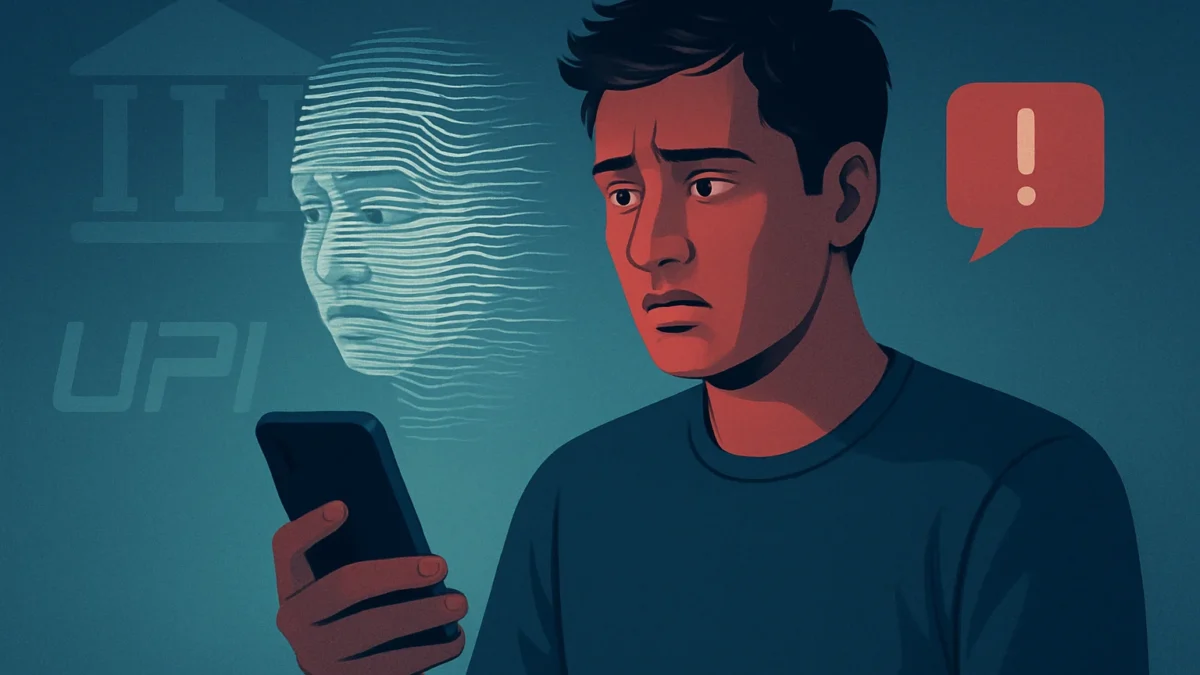
AI voice-cloning scams use short voice samples or online audio to create a fake voice of a relative or colleague and then pressure you into sending money over UPI. Immediately call your bank, block payments, record details, and report to 1930 / cybercrime.gov.in to increase chances of recovery.
Key takeaways
- Scammers clone a familiar voice and demand urgent UPI transfers.
- Act fast: call your bank, block UPI apps and transaction PINs, preserve call and chat records.
- Report to 1930 and the National Cyber Crime Portal at cybercrime.gov.in and file an FIR with local police.
- Look for red flags: unusual urgency, new payment links, mismatched caller IDs and poor context.
- Prevent by limiting voice posts, verifying requests through a second channel, and using bank/UPI safety features.
In this article
How the scam works (step by step, as the victim experiences it)
The fraud typically begins with a short voice clip. Scammers harvest audio from WhatsApp voice notes, Instagram reels, YouTube videos or public calls. Using off‑the‑shelf AI tools they create a convincing copy of a family member’s voice in minutes.
- Initial contact: You get a phone call or WhatsApp voice call from a number that might look unfamiliar or spoofed. The caller speaks in a voice that sounds like your relative or friend.
- Problem story and urgency: The cloned voice says there’s an emergency — medical bills, arrest, a business problem, or a job offer that needs immediate payment. They ask you to transfer money now and warn you not to involve others.
- Social engineering & confirmation: The scammer may name private facts (a pet’s name, a recent trip) taken from social media to convince you. They may ask you to confirm identity by doing small tests, like repeating a number, to make the voice sound live.
- Payment steps: You’re asked to pay via UPI to a specified ID, or to scan a QR code sent in chat, or to approve a UPI collect request. They push for quick compliance and may threaten to call back more people if you delay.
- After the transfer: The caller cuts contact. Some scams continue with follow‑up messages asking for more money or instructing you to delete messages or not speak to others.
Red flags to spot
- Unusual urgency: pressure to send money immediately without time to verify.
- Requests to hide the transaction: “Don’t tell anyone” or “Only do this now”.
- New or unknown UPI IDs / bank accounts for the person supposedly calling.
- Caller asks for OTP, UPI PIN, or to approve transactions. (Banks never ask for PINs.)
- Caller ID mismatch: international or odd numbers, or different numbers each call.
- Voice sounds right but context is odd (e.g., a parent asking about a job interview or urgent overseas payment they couldn’t realistically need).
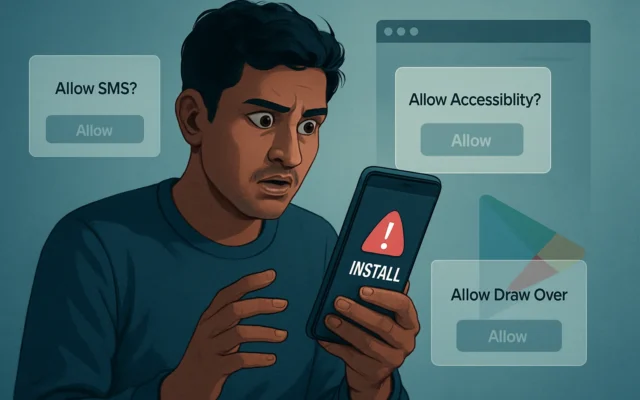
- Requests to install remote‑access apps, APKs or to share screenshots of bank/UPI approvals.
Also read: Money-mule scams: Protect your bank account & UPI · Malicious UPI APKs: How to spot fake UPI apps like iBazo
What to do if you have been targeted
Act quickly — UPI transfers are fast and recovery chances drop with time. Follow this checklist immediately.
1. Call your bank and UPI app support now
- Use the official customer‑care number from your bank’s website or your bank’s app. Tell them the transfer was fraudulent and ask to block further outward UPI transactions from your account and app.
- Request a transaction reversal or “stop payment” and ask what documentation is required to pursue recovery.
2. Secure your accounts
- Change UPI PIN and your bank login password immediately.
- Remove/revoke the UPI app’s permission for linked accounts if the app shows unknown beneficiaries.
- If the scam involved your phone being accessed remotely, disconnect from the internet and do a factory reset after backing up important data.
3. Preserve evidence
- Save call logs, WhatsApp chat history, voice messages, screenshots of the UPI ID, collect requests, QR codes and bank SMS notifications. Do not delete anything.
- Record the time, numbers used by the scammer, and the exact words they used — this helps police trace the case.
4. Report to authorities
- Call the National Cyber Crime Helpline: 1930 (toll‑free) and report the incident.
- File a complaint on the National Cyber Crime Reporting Portal: cybercrime.gov.in. Choose the financial fraud or AI/deepfake category if available.
- Visit your local police station and file an FIR. Bring copies of bank statements and preserved evidence. Ask the station to record the FIR number and the investigating officer’s details.
5. Follow up for recovery
- Keep in regular contact with your bank’s fraud team and the police investigator. Provide additional documents they request promptly.
- Ask your bank for a timeline and escalation route (nominated grievance officers, banking ombudsman) if progress stalls.
Sample scam scripts (what scammers commonly say)
Below are safe, red‑flag examples you can memorise so you recognise the tactic. These are trimmed to remove any operational details and only show the style of wording used.
- “Hey Amma/Anna, I’m in trouble — been detained and need money for bail. Don’t tell anyone, transfer now.”
- “This is a private call from your bank’s officer — there’s a suspicious transaction on your account, please follow this link and approve to secure it.”
- “We are from the hospital. Your relative needs an urgent surgery and the card is failing. Send the payment via UPI now.”
- “I’m your friend at work; I’m abroad and my phone is stolen. I can’t use my usual account — send money to this UPI ID and I’ll pay you back.”
How to stay safe — prevention tips
- Limit voice clips online: avoid posting voice notes that include your name, relatives’ names or routine phrases in public posts.
- Verify by a second channel: if a family member calls asking for money, call their known number or video‑call them. Don’t rely on the same incoming caller as proof.
- Never share OTPs or UPI PINs. Banks will never ask for these over a call or message.
- Enable UPI app locks, biometric authentication and transaction limits where possible.
- Register your mobile for Do‑Not‑Disturb and avoid responding to unknown messages that ask for audio samples or recordings.
- Educate older family members: practise verification steps with them so they don’t act alone under pressure.
| What to do | Why it helps |
|---|---|
| Call bank & block UPI | Stops further transfers and starts recovery procedures |
| Report to 1930 & cybercrime.gov.in | National helpline and portal trigger cyber investigation and record the offence |
| Save call/chat records | Evidence for police and bank claims; helps trace the scammer |
If you are unsure, stop and verify. No real emergency requires immediate UPI payment without time to confirm the identity and context.
If you receive a suspicious call asking for immediate UPI payment, treat it as fraud until verified. Block payments and contact your bank and 1930 right away. Families and older users should set strict verification rules and use app locks to reduce risk.
Frequently asked questions
Can AI voice cloning really trick people into transferring money?
Yes. Scammers use short online voice samples and AI tools to recreate a familiar voice. When combined with urgency and personal details, the fake voice can convince people to make immediate UPI transfers.
What number do I call to report an AI voice cloning UPI scam in India?
Call the National Cyber Crime Helpline at 1930 (toll‑free) and file a complaint on the National Cyber Crime Reporting Portal at cybercrime.gov.in. Also inform your bank immediately and file an FIR with local police.
Can banks reverse UPI transfers done in a scam?
Banks sometimes recover funds if notified quickly, especially before the money is withdrawn. Immediate reporting, preserved evidence and police involvement improve the chances, but reversals are not guaranteed.
Should I share voice recordings with the police?
Yes. Preserve and hand over all relevant call logs, voice messages and chat screenshots to the police and your bank. These recordings help investigators trace the fraudsters and strengthen your complaint.
How can families reduce the risk of voice‑cloning scams?
Avoid sharing voice notes publicly, set verification rules (call a known number or video‑call), teach older relatives to refuse urgent money requests over calls, and enable UPI app locks and transaction limits.