₹399 annual recharge scam: How to spot this recharge scam fast
Learn how the ₹399 recharge scam works, spot red flags, copyable verification steps, recovery actions and exact Indian reporting channels for quick help.

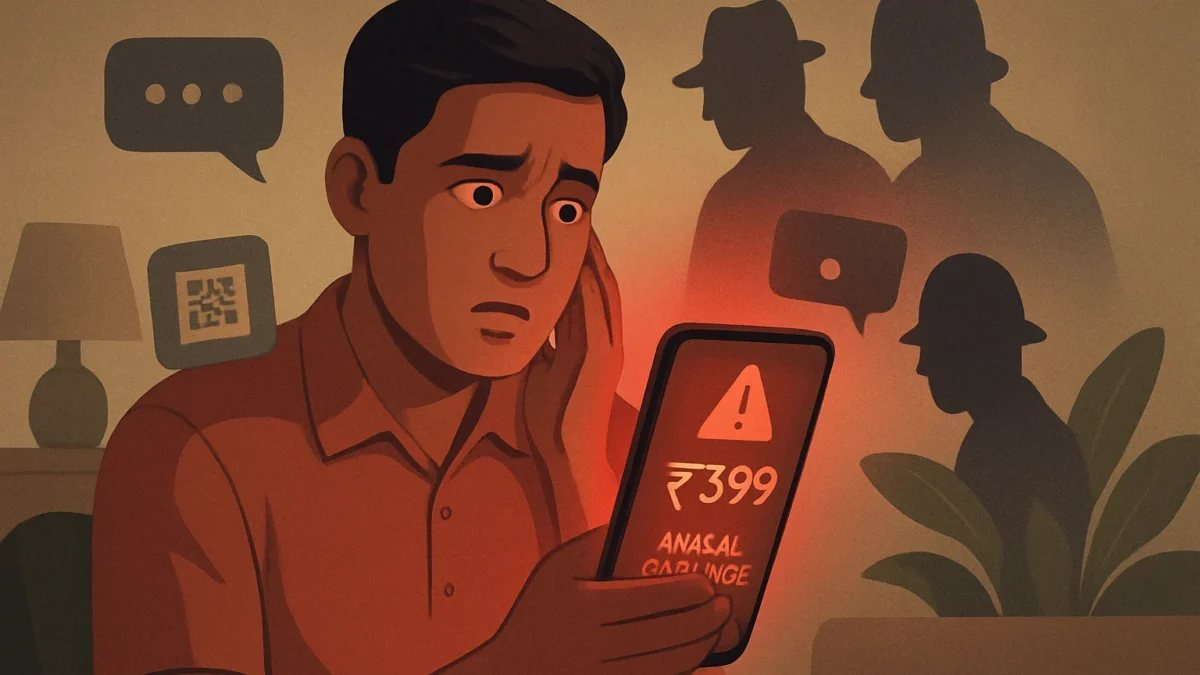
The ₹399 annual recharge scam is a phishing scheme that lures users with too-good-to-be-true telecom offers and fake payment pages. Do not click unknown links, verify with your operator’s official app or website, and report fraud immediately at 1930 or cybercrime.gov.in if you paid or shared bank/UPI details.
Key takeaways
- Scammers use ads, SMS and WhatsApp to push fake ₹399 annual recharge offers.
- Never pay on pages reached by unknown links — verify on your operator’s official app or DND/Sanchar Saathi.
- If you paid or shared UPI/bank details, call your bank, block cards/UPI and report at 1930 / cybercrime.gov.in.
- Report suspicious messages to Sanchar Saathi and your telecom provider so they can act fast.
In this article
How the scam works
Step 1 — The bait: you see an attractive ad, forwarded WhatsApp message, or SMS claiming “₹399 annual recharge for all networks” with a short link and a button to “activate now.” These messages often imitate telecom brands and may show fake logos or glowing testimonials. Recent police alerts in India describe this exact pattern for the ₹399 offers. ([the420.in](https://the420.in/%E2%82%B9399-annual-recharge-scam-greater-noida-police-warn-against-fake-telecom-offers/?utm_source=openai))
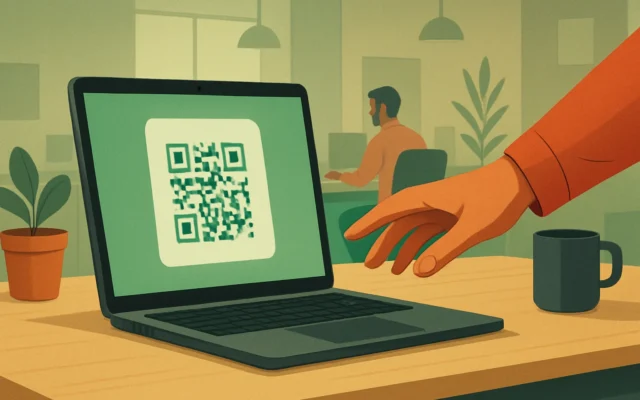
Step 2 — Fake site or payment page: the link opens a glossy page that looks like a legitimate recharge portal. It asks for your mobile number, KYC details, and to complete payment. The page may collect UPI IDs, ask you to scan a QR code, or request one-time passwords (OTPs). If you enter OTPs or approve a UPI payment, money is transferred or your bank account is compromised. News reports and consumer alerts repeatedly warn that these websites are fraudulent. ([gadgetsnow.indiatimes.com](https://gadgetsnow.indiatimes.com/tech-news/jio-airtel-vi-and-bsnl-users-alert-rs-399-annual-recharge-offer-on-facebook-and-instagram-is-a-scam/articleshow/135568035.cms?utm_source=openai))
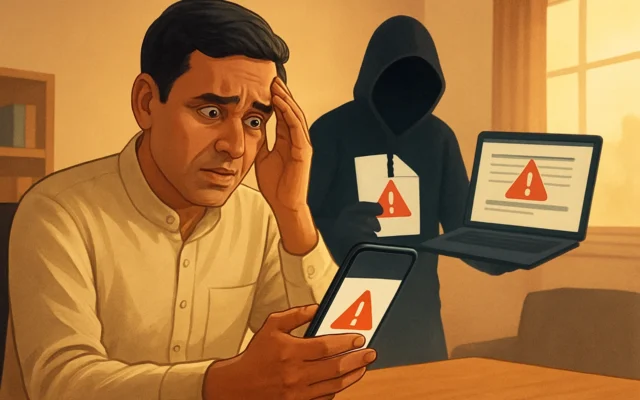
Step 3 — Follow-up exploitation: after payment the scammers may request more details, push you to install an app, or try social-engineering to get further access (ask for OTPs, ask you to “confirm” a small test transfer, or ask to connect on video call). Some operations also record banking credentials or ask you to log into fake internet banking pages. Authorities say speed matters — fraud is often completed within the first hour. ([cybercrime.gov.in](https://cybercrime.gov.in/Webform/Crime_NodalGrivanceList.aspx?utm_source=openai))
Red flags to spot
- Unsolicited offers that sound too-good-to-be-true (full year recharge at a tiny one-time fee).
- Shortened or strange links (bit.ly, tinyurl) instead of the telecom’s official domain.
- Requests for OTPs, UPI PIN, netbanking credentials, or app installation to “complete” the recharge.
- Pressure tactics: countdown timers, “only for first 100 users,” or repeated forwards.
- Seller asks to pay by QR scan, bank transfer, or IMPS to a personal account rather than a recognised merchant account.
- Poor grammar, incorrect logos, or mismatched sender names in SMS/WhatsApp messages.
Also read: Digital arrest scam: Spot fake ED / cyber-official calls fast · How to spot a fake police notice and report it (fake police notice)
What to do if you have been targeted
If you did NOT pay or share OTPs/credentials
- Do not click any further links from the same thread. Block and delete the sender.
- Verify the offer on your telecom operator’s official app or website — do not use the forwarded link. You can also call your operator’s customer care from your phone (use numbers listed in its official app or bill).
- Report the message to the Sanchar Saathi/Chakshu facility so DoT can monitor and block abusive numbers. DoT’s public reporting facility is often recommended in official advisories. ([pib.gov.in](https://www.pib.gov.in/PressReleaseIframePage.aspx?PRID=2011383&lang=2®=3&utm_source=openai))
If you paid or shared OTPs / UPI approval
- Call your bank immediately and tell them you authorised a fraudulent UPI/IMPS transaction. Ask the bank to block the UPI ID, deactivate any linked payment instruments, and start a transaction dispute or chargeback. The RBI and banks advise immediate contact when financial fraud occurs. ([rbi.org.in](https://www.rbi.org.in/scripts/NotificationUser.aspx?Id=12770&utm_source=openai))
- Log into your UPI app and change the UPI PIN. If the UPI app was compromised, uninstall it and reinstall from an official store and re-register only after blocking previous credentials.
- Report the fraud to the National Cyber Crime Reporting Portal and call the national helpline 1930 (available for cyber financial fraud). File the online complaint on cybercrime.gov.in — mention transaction IDs, screenshots and approximate time. ([cybercrime.gov.in](https://cybercrime.gov.in/Webform/Crime_NodalGrivanceList.aspx?utm_source=openai))
- Inform your local police and provide copies of the complaint filed on the cyber portal. If money left your bank account, ask police for an FIR so banks and law enforcement can escalate recovery requests quickly. ([delhipolice.mha.gov.in](https://delhipolice.mha.gov.in/StandingOrderFiles/34271_integrated.pdf?utm_source=openai))
Sample messages and what to copy when you report
Example SMS/WhatsApp text (copy this when you report): “Special offer: ₹399 annual recharge — click tiny[.]link/xyz to activate. Limited time!” Sender: +91-XXXXXXXXXX. Time: DD-MM-YYYY HH:MM. Screenshot of payment page and UPI transaction ID if paid.
Save screenshots of the message, the payment page, and any bank or UPI transaction IDs. These details are essential when you report to the bank, cyber portal or police.
How to stay safe
- Verify offers only on official apps or operator websites. Telecom operators rarely run such broad-year plans through random forwards — check first in the operator’s app or via verified social accounts.
- Enable DND and use the TRAI / DND apps and Sanchar Saathi to report spam and suspicious promotional messages. Authorities recommend these for crowd-sourced detection. ([pib.gov.in](https://www.pib.gov.in/PressReleasePage.aspx?PRID=2223779&lang=1®=3&utm_source=openai))
- Never share OTPs, UPI PIN, or internet banking credentials. No legitimate merchant will ask for OTP or PIN to “complete” a recharge.
- Prefer in-app recharges or the operator’s official merchant pages; avoid paying to personal bank accounts or scanning QR codes shown by unknown senders.
- Keep your phone’s OS and apps updated. Use Play Store / App Store pages to confirm the official app — check the developer name and user reviews.
Report channels (copy these numbers and sites)
| What | Where to report |
|---|---|
| Immediate cyber financial fraud | Call 1930; report at National Cyber Crime Reporting Portal (cybercrime.gov.in). |
| Telecom spam / suspicious SMS, WhatsApp | Sanchar Saathi (Chakshu) facility — report via Sanchar Saathi portal or app. |
| Bank/UPI fraud | Call your bank’s emergency number and NPCI/UPI grievance channels; ask for a transaction reversal or block. |
| Police report / FIR | File at your local police station or include the cyber portal complaint copy when approaching police. |
If you want help wording your report for the cyber portal or bank, copy the sample SMS text above and paste it into the complaint box. Authorities and banks often stress reporting quickly — the first hour matters for tracing transactions. ([pib.gov.in](https://www.pib.gov.in/PressReleaseIframePage.aspx?PRID=2307871&lang=2®=48&utm_source=openai))
If you receive a ₹399 annual recharge offer via SMS, WhatsApp or an unverified ad, treat it as a likely scam: do not click links or share OTPs. Verify only on your operator’s official app and report immediately if you paid or shared banking details.
Frequently asked questions
Is the ₹399 annual recharge offer real?
Most unsolicited ₹399 annual recharge offers circulating on WhatsApp or social media are scams. Verify any offer on your operator’s official app or website before paying; police advisories warn these are fraudulent. ([gadgetsnow.indiatimes.com](https://gadgetsnow.indiatimes.com/tech-news/jio-airtel-vi-and-bsnl-users-alert-rs-399-annual-recharge-offer-on-facebook-and-instagram-is-a-scam/articleshow/135568035.cms?utm_source=openai))
What number do I call for cyber financial fraud in India?
For cyber financial fraud call the National Cyber Crime Helpline at 1930 and file an online complaint at cybercrime.gov.in. Report to your bank immediately if money was sent. ([cybercrime.gov.in](https://cybercrime.gov.in/Webform/Crime_NodalGrivanceList.aspx?utm_source=openai))
I scanned a QR and paid — what next?
Contact your bank or UPI app right away, request a block on the UPI ID, and start a transaction dispute. Then file a complaint on the national cybercrime portal and inform local police. Speed improves chances of recovery. ([rbi.org.in](https://www.rbi.org.in/scripts/NotificationUser.aspx?Id=12770&utm_source=openai))
How do I report suspicious telecom messages?
Use the DoT’s Sanchar Saathi (Chakshu) facility to report spam/ fraud SMS and calls. You can also report such messages to your operator’s official grievance channels. ([pib.gov.in](https://www.pib.gov.in/PressReleasePage.aspx?PRID=2223779&lang=1®=3&utm_source=openai))
Sources
- ₹399 Annual Recharge Scam: Greater Noida Police Warn Against Fake Telecom Offers – The 420.in
- Jio, Airtel, Vi and BSNL Users Alert: Rs 399 Annual Recharge Offer on Facebook and Instagram Is a Scam
- Cyber Crime Portal
- Press Release:Press Information Bureau
- Notifications | Official Website of Reserve Bank of India
- Annexure-I
# Procedure for registration of compla
- Press Release Page | Press Information Bureau