How to spot a fake police notice and report it (fake police notice)
Learn how to spot a fake police notice, preserve evidence and the exact Indian complaint channels (1930, cybercrime.gov.in, police) to report an AI-generated threat.

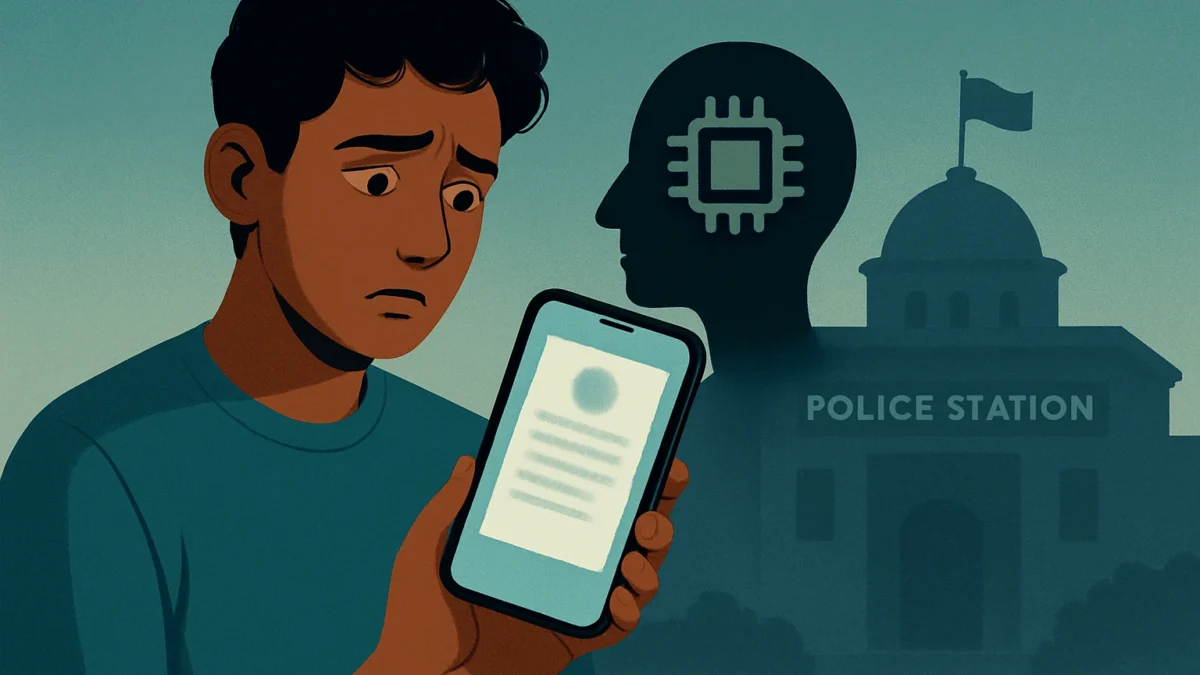
A fake police notice is a forged document or image that looks official but is not from police. Check sender details, formatting errors, official headers, and ask the named unit directly. Preserve screenshots, WhatsApp message info and device logs, then report immediately to 1930 and the National Cyber Crime Portal (cybercrime.gov.in).
Key takeaways
- Fake police notices can be created with AI and shared on WhatsApp or social media.
- Look for formatting errors, wrong phone numbers, inconsistent seals or unofficial email addresses.
- Preserve evidence (original message, timestamps, sender info) and don’t share or pay anyone.
- Report to 1930, file at cybercrime.gov.in and file an FIR at your local police station.
In this article
How the scam works
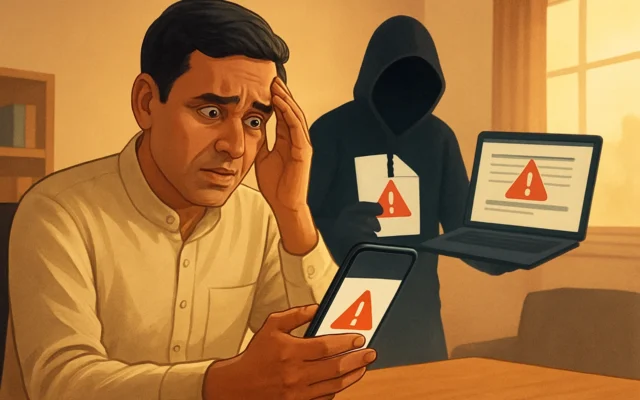
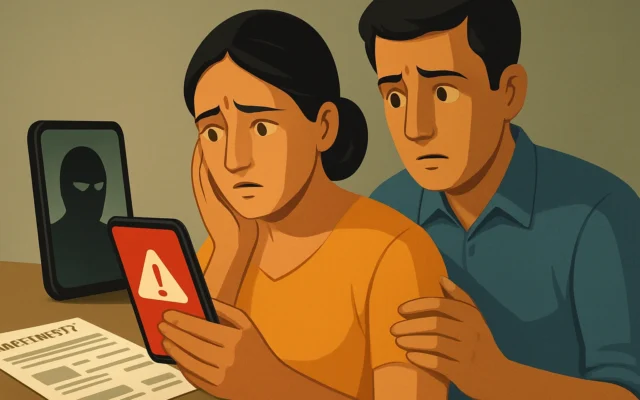
Scenario you might see: you get a WhatsApp image or PDF that looks like a police notice — it names you, asks you to appear at a unit, threatens action, or demands you call a number. The sender claims the notice is from a local unit such as a SHE Team and pressures you to respond quickly to avoid arrest.
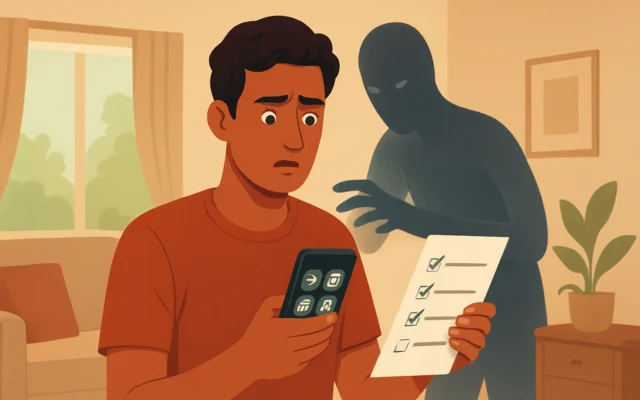
Step by step as the victim experiences it:
- Initial contact: a message or forwarded image arrives on WhatsApp, SMS or social media, often soon after an argument or breakup.
- Shock and pressure: the notice uses official-looking language and a seal. The sender may demand a phone call, an apology, or try to scare you into removing posts or sending money.
- Verification attempt: you may go to the police website or call the number on the notice — but the notice often uses fake contact details that route to the scammer or a friend.
- Escalation: if the target is scared, the sender may threaten public exposure, arrest, or legal action to coerce compliance.
Recent policing reports show people using AI chat tools to generate such fake notices and then circulating them on WhatsApp to intimidate ex-partners; police have registered cases in these incidents. ([siasat.com](https://www.siasat.com/boyfriend-hits-block-woman-hits-back-with-fake-she-team-notice-3580462/?utm_source=openai))
Red flags to spot
- Sender is a personal mobile number or unknown WhatsApp account, not an official police number.
- Spelling, grammar or layout mistakes in the notice; poor-quality seals or mismatched fonts.
- No official digital signature, e-token, or verifiable header used by your state police.
- Phone numbers or email addresses that don’t match the official police website for your city or state.
- Requests to call a non-official number, transfer money, or delete messages/posts as the “solution”.
Also read: Fact-check: Income tax notice WhatsApp forwards are usually fake · How to spot fake shopping websites (India) — quick checks
What to do if you have been targeted
Do these actions immediately — fast steps matter.
1. Preserve evidence
- Take screenshots of the full chat (include message preview, time and sender name), save the original image/PDF and note the sender’s number.
- Do not alter the files. If possible, export or back up the chat with timestamps.
- Note any call logs, transaction messages, or other digital traces linked to the incident.
2. Report to national cyber authorities
- Call the National Cyber Crime Helpline at 1930 (24×7) for immediate guidance or reporting. ([cybercrime.gov.in](https://cybercrime.gov.in/Webform/Crime_NodalGrivanceList.aspx?utm_source=openai))
- File an online complaint at the National Cyber Crime Reporting Portal: cybercrime.gov.in. Use the category for cyber harassment/fake documents and upload evidence. ([cybercrime.gov.in](https://cybercrime.gov.in/Webform/Crime_NodalGrivanceList.aspx?utm_source=openai))
3. Inform local police and file an FIR
- Visit your nearest police station to file an FIR. Bring printed copies of the message, screenshots and any related proof.
- If the notice claims to be from a special unit (for example SHE Teams), call the official number of that unit listed on the state police website to confirm. Do not rely solely on the contact in the received message.
4. Tell your bank and protect finances
- If any payment or account details were requested or shared, contact your bank immediately and freeze affected accounts or cards.
- Change passwords for your email, important apps and your phone lock. Enable two-factor authentication where available.
5. Use women’s support channels if needed
- If you are a woman under threat, you can call the National Women Helpline 181 for counselling and local support referrals.
How to stay safe
- Always verify notices by checking the official state police website or calling the official police control room number — not the number in the message.
- Teach family and friends to treat urgent legal threat messages skeptically and to check with police before reacting.
- Limit sharing of sensitive personal information and keep business/social accounts private to reduce risk of targeted harassment.
- Report fake notices you receive to platform providers (WhatsApp) using the app’s reporting tools so the sender’s account can be reviewed.
Legal context — what laws apply?
Forging or circulating a fake official document or electronic record can attract IPC offences for forgery (sections around 463–469) and Information Technology Act offences such as identity-related and personation offences (for example sections 66C/66D), depending on facts and intent. Police will assess charges in each case. ([indiacode.ecourtsindia.com](https://indiacode.ecourtsindia.com/ipc/section/463/?utm_source=openai))
If you’re unsure what to do right now: preserve the evidence, call 1930, file a complaint at cybercrime.gov.in and visit your local police station to lodge an FIR.
If you receive a threatening police notice, do not panic: preserve the message, verify with official police contacts, and report immediately to 1930 and cybercrime.gov.in. Skip paying or calling numbers in the notice — those are common scam steps.
Frequently asked questions
Can AI tools like ChatGPT create fake police notices?
Yes. AI writing tools can help generate realistic text and images, which can be used to produce forged notices. The offence is forgery under IPC and may attract IT Act provisions if electronic records are used. Report such misuse to police and the cybercrime portal.
Will police accept a WhatsApp screenshot as evidence?
Yes. Screenshots, exported chats and saved files are often accepted as evidence, but preserve original messages and metadata and bring them to the police station. Police will investigate and may seek server records if needed.
What number do I call first if I get a threatening fake notice?
Call the National Cyber Crime Helpline at 1930 for immediate help and to register an initial complaint. Then file a detailed complaint at cybercrime.gov.in and report to your local police station.
Should I pay someone who says they will ‘resolve’ the fake notice?
No. Paying or complying with extortion demands typically makes the situation worse. Preserve evidence, report to authorities and inform your bank if money or account data was requested.
How do I verify a notice claimed to be from a specific police unit (like SHE Teams)?
Check your state police website or official government contact lists for the unit’s phone number and call that number directly. Do not use the contact details provided in the suspicious notice.